
Media Amplification
Sausage Party: Foodtopia
Client
Sony Pictures
Pillar
Media Amplification
Scope
Guerrilla Experiential Marketing
Category
Entertainment
The Challenge
How do you get audiences to care about an animated sequel enough to not only watch it, but talk about it, share it, and create content around it?
For the launch of Sausage Party: Foodtopia, Sony Pictures needed more than a traditional advertising campaign. The original film earned cult status through shock value, conversation, and viral word of mouth. The series launch needed to capture the same disruptive energy in a media landscape where audiences scroll past conventional ads without a second thought.
The brief was clear: create moments people can't ignore, won't stop filming, and can't resist sharing.
The Insight
Three cultural behaviors
We identified three cultural behaviors that could drive organic reach for the campaign:
01
Protest Culture
Audiences are conditioned to stop, watch, and film any public demonstration. A protest led by sentient food characters demanding their rights created instant curiosity and a shareable spectacle.
02
Shareability by Design
User-generated content consistently outperforms branded content in engagement. Every activation needed to be designed for mobile capture and social sharing, not traditional staging.
03
Event Infiltration
Instead of competing for attention through paid media, we embedded the campaign into existing high-traffic public events (concerts, sports events, public gatherings) where audiences were already gathered, engaged, and primed for entertainment.
What We Did
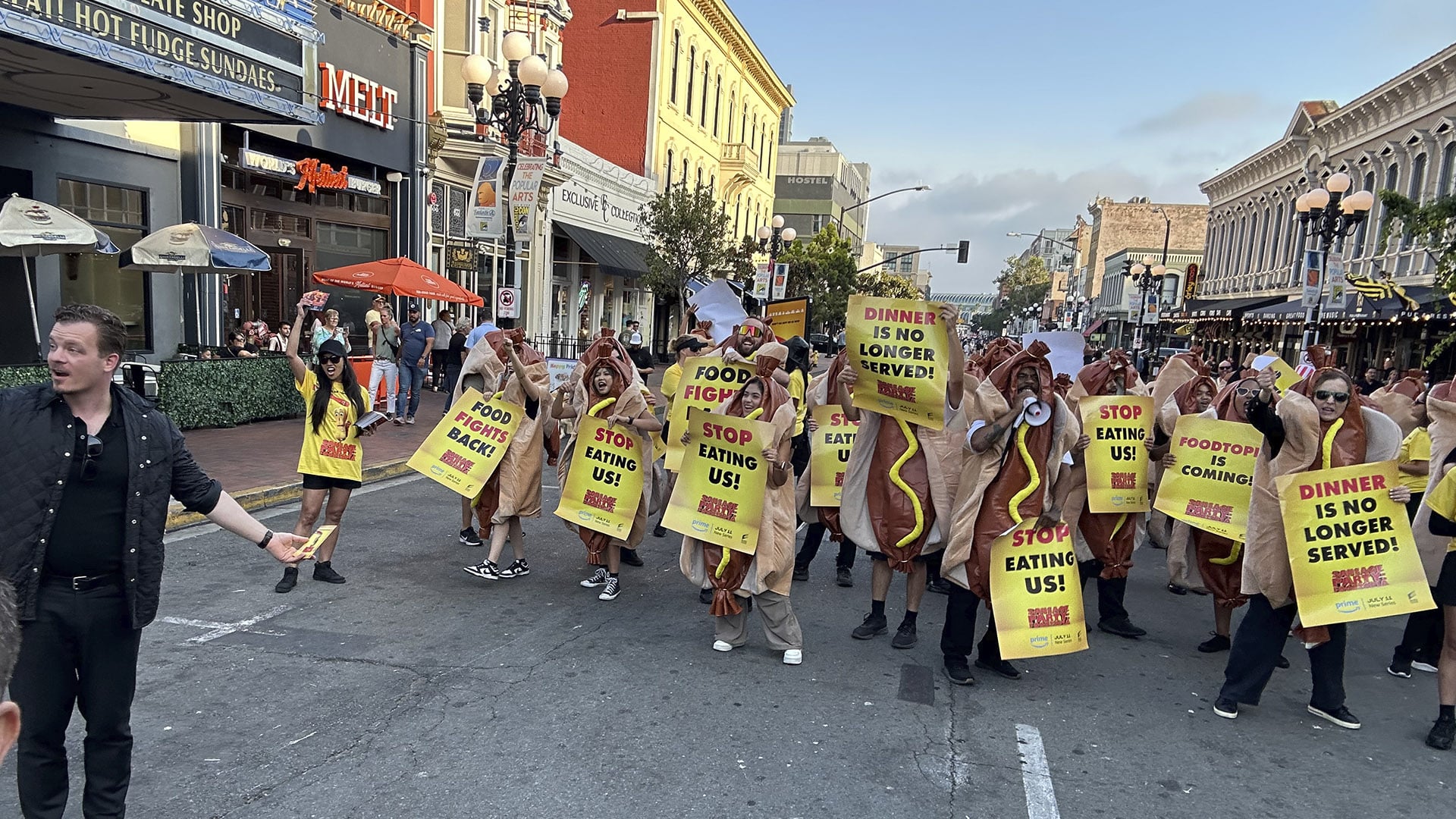
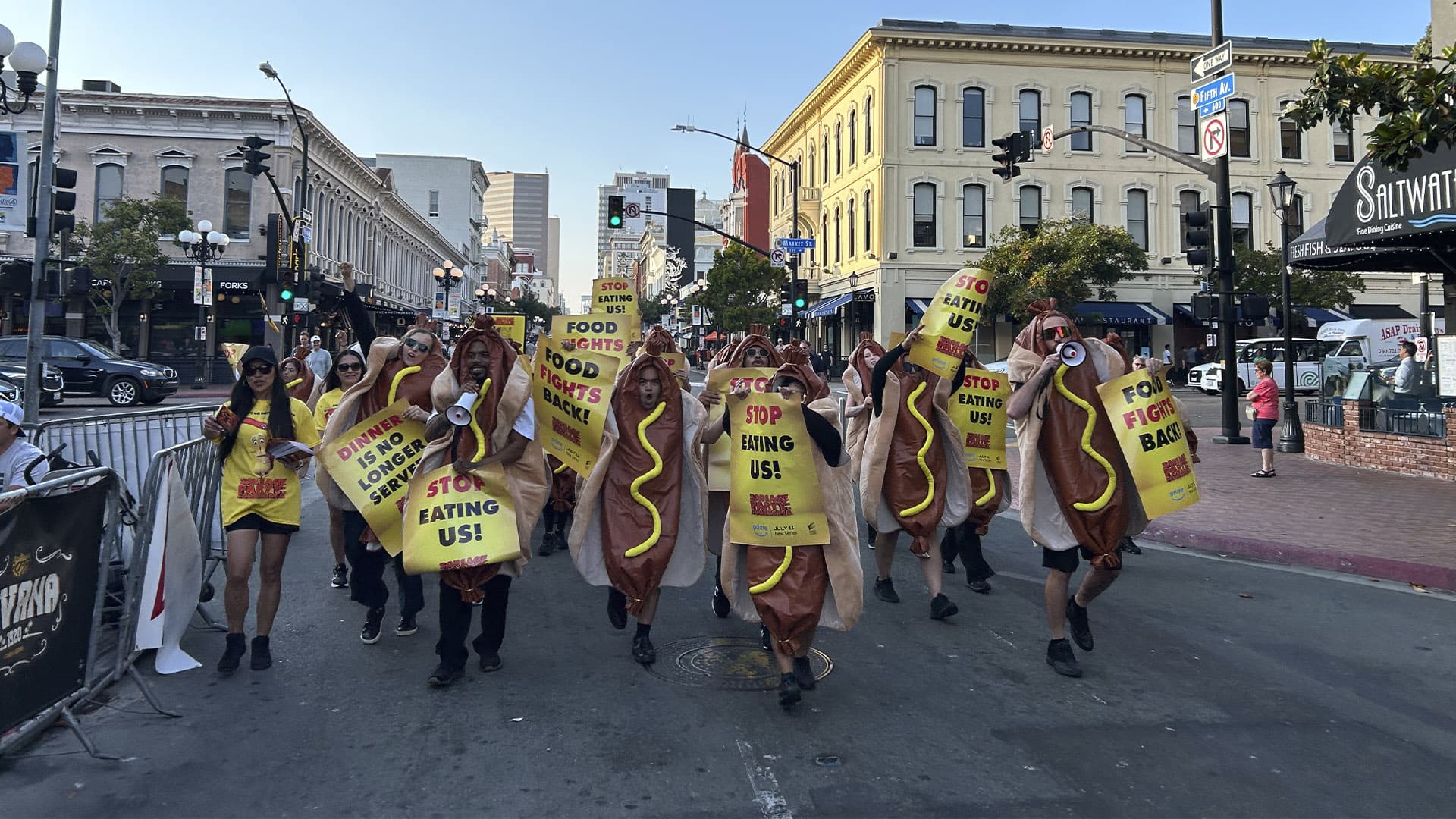
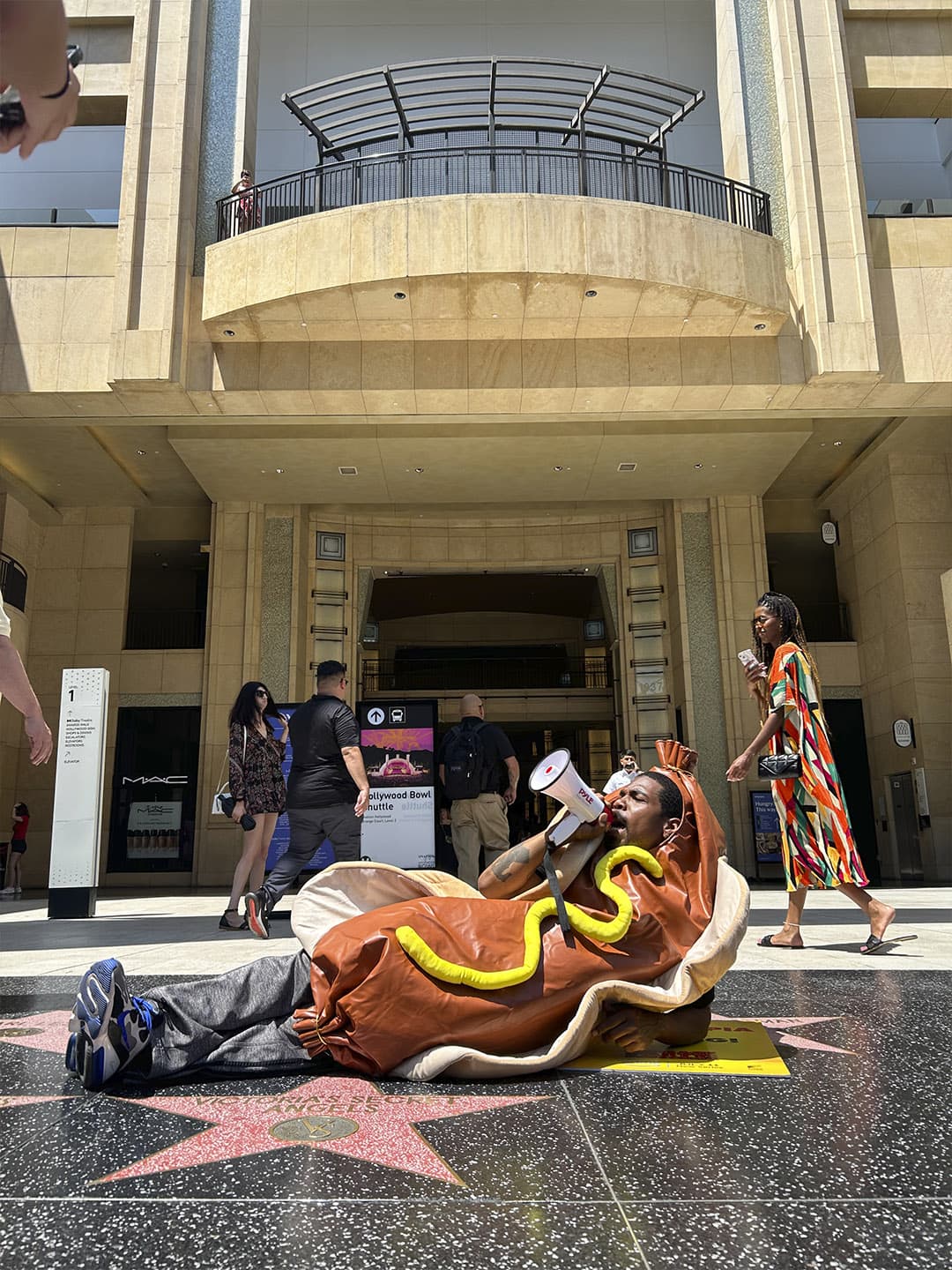
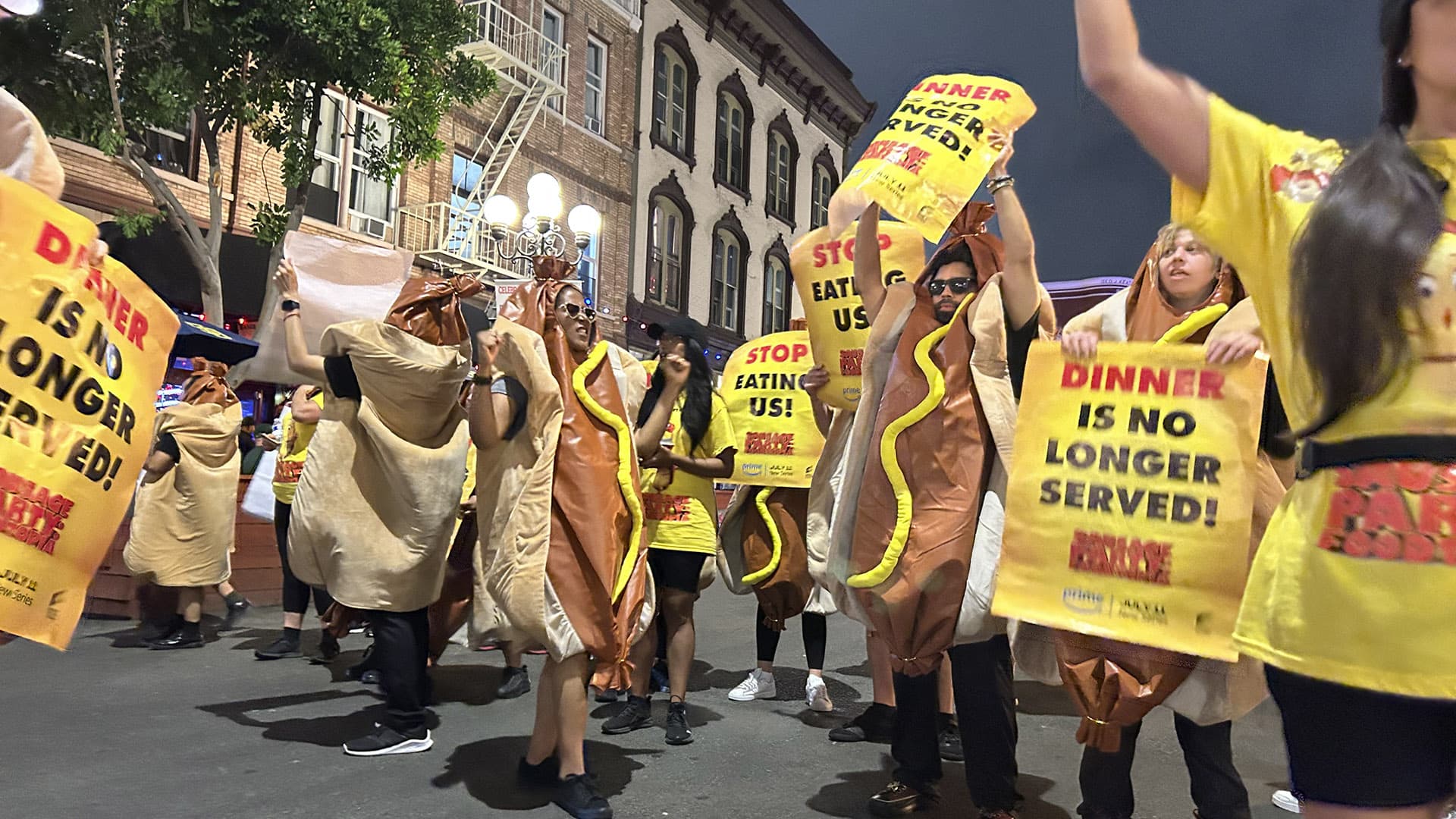
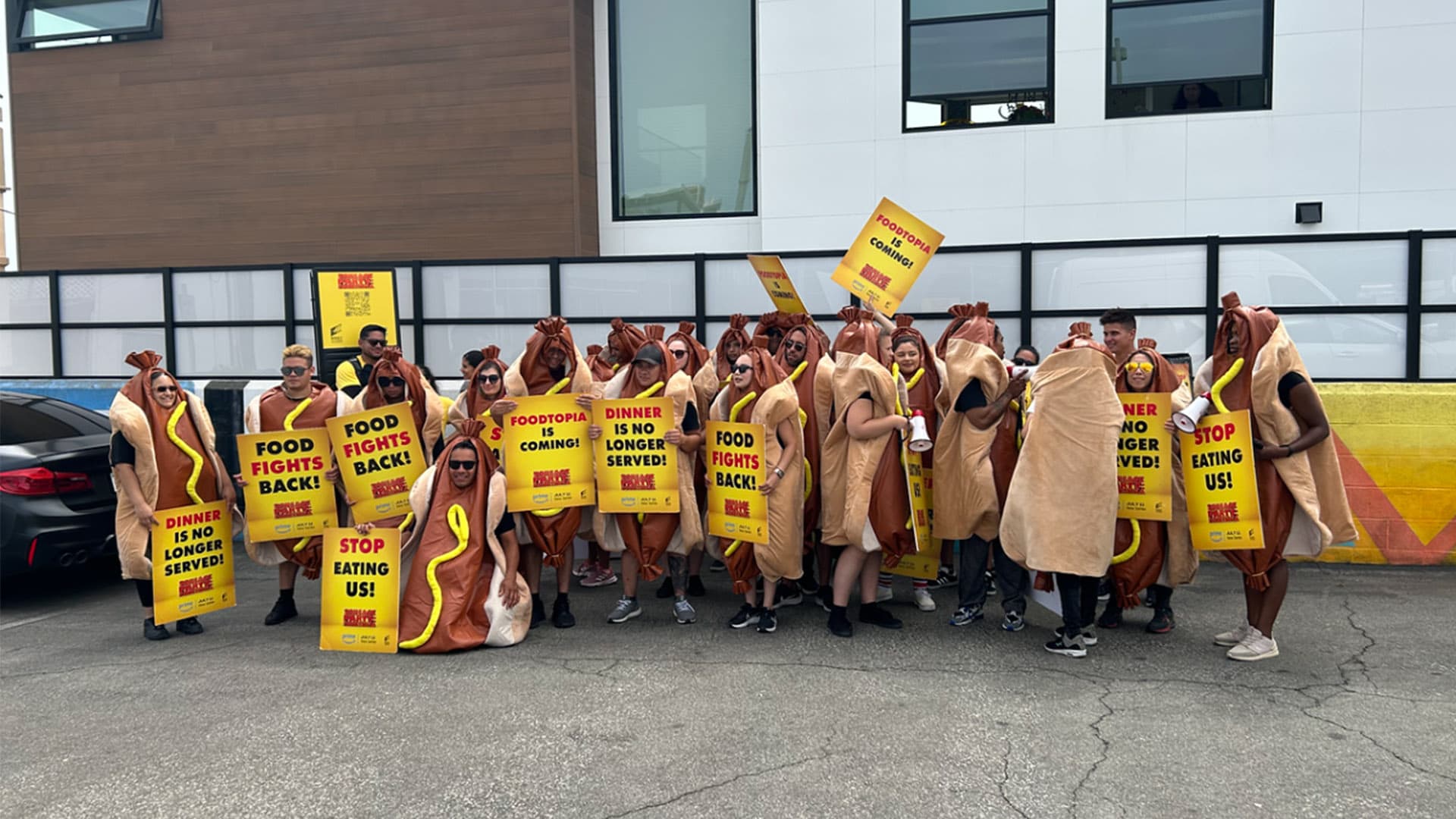
LNL designed and executed “Foodtopia,” a guerrilla experiential campaign that put the film's characters into the real world and turned them into a cultural spectacle.
Tactic 01
Guerrilla Street Protests
We deployed teams of brand ambassadors dressed as sentient food items to stage disruptive "food rights" protests in high-visibility public spaces. Carrying signs like "STOP EATING US!" and "FOOD FIGHTS BACK!", the activists were intentionally loud, comedic, and impossible to ignore.
Rather than relying on overt branding or hard sell tactics, the campaign leaned into curiosity and spectacle, encouraging audiences to organically search, film, and share the experience online.
Tactic 02
Event Infiltration
The campaign strategically appeared at concerts, sports events, and large-scale cultural gatherings where audiences were already assembled. By integrating into existing moments rather than creating standalone events, the activations reached consumers in unexpected, highly engaging ways.
This approach allowed the brand to generate attention naturally without competing directly within traditional advertising spaces. This is marketing at its best!
Tactic 03
Social Content Engine
Every activation was designed with content creation in mind. Attendees were encouraged to film, participate, and share their experiences in real time, while dedicated social campaigns (character-driven content, interactive challenges, and incentives) amplified the most engaging moments across platforms.
The social team actively monitored conversations and viral posts throughout the campaign, extending reach through real-time engagement and community interaction.
Tactic 04
The Pledge: "Save a Hot Dog"
At every activation, attendees were invited to sign the "Save a Hot Dog" pledge, a playful participation mechanic that transformed spectators into active contributors to the Foodtopia narrative.
The pledge created a memorable interaction point while also serving as a measurable KPI for audience engagement across activations.
The Results
The Foodtopia campaign exceeded performance goals across brand awareness, audience participation, and social engagement.
Increase in Brand Recognition
Pre- and post-campaign surveys showed a 35% increase in brand recognition among the target audience, surpassing the original 30% benchmark.
Social Media Interactions
The campaign generated over 500,000 social media interactions (likes, shares, comments), extending the original engagement goal by 10x. Viral content from multiple guerrilla activations validated the campaign's core strategy: experiences designed for sharing outperform traditional paid media.
Event Attendee Pledges Signed
More than 50,000 attendees signed the "Save a Hot Dog" pledge across all activations (5x the original participation target), turning passive audiences into active participants with the campaign narrative. Each pledge was a direct, memorable brand interaction that neither a billboard nor a pre-roll ad could replicate.
Why It Worked
People don't share ads. They share experiences. Everything we built was designed around that fact!
Disruption Over Distribution
Instead of relying on paid placements, the campaign created moments audiences wanted to document and share themselves. Every attendee became a potential media channel for Sausage Party: Foodtopia.
Designed for the Feed, Not the Stage
Every element from costumes and signage to audience participation was intentionally designed for social capture and mobile-first engagement. The experience itself became content.
Showing up, Not Buying In
By integrating into existing high-traffic events instead of producing standalone activations, the campaign accessed large audiences organically, efficiently, and authentically.
The Takeaway
“When the experience becomes the content, every audience member becomes a media channel.”
The Foodtopia campaign demonstrated that the most effective media amplification strategy isn't always buying more impressions; it's creating experiences compelling enough for your audiences to amplify organically.
At LNL, Media Amplification means designing live experiences that generate earned media, social sharing, and cultural conversation at a scale traditional paid media cannot achieve.